The number is $18.9m a year
A Territory club is modelled to earn $31.9m and spend $49.8m, leaving a gap of $18.9m a year. Under more generous AFL distributions that falls to $6.9m. The AFL's own share of the shortfall is about $7.8m annually.
We're just getting started. Lightning Rod is new and fan-run, and every supporter counts.Every supporter counts.
No expansion club has ever paid its own way from day one. The question is what the investment buys.
A Territory club is modelled to earn $31.9m and spend $49.8m, leaving a gap of $18.9m a year. Under more generous AFL distributions that falls to $6.9m. The AFL's own share of the shortfall is about $7.8m annually.
The business case models four ways the AFL might fund a Territory club. At the level Tasmania is set to receive, the annual gap is $18.9m. Funded at the average of Gold Coast and GWS, the way the league already backs its expansion clubs, the gap falls to $6.9m, with the AFL contributing about $19.8m. The business case's preferred middle option splits the cost evenly between the AFL and the Territory Government at about $13.4m each.
The AFL's two newest clubs are the model. In 2025 the league distributed $37.7m to Gold Coast and $36.8m to GWS, the two largest shares in the competition against an average of $26m, because building a club in a new market takes years of backing. By 2020 the AFL had reported putting more than $250m into the Suns. That investment is now paying off: Gold Coast played finals and posted an operating profit in 2025 with a record 30,157 members, and GWS reported a profit with 37,705 members. A Territory club asks for the same kind of backing, for the same reason: to grow the game in a part of Australia the AFL doesn't yet reach.
Source: AFL Annual Report 2025 — Australian Football League
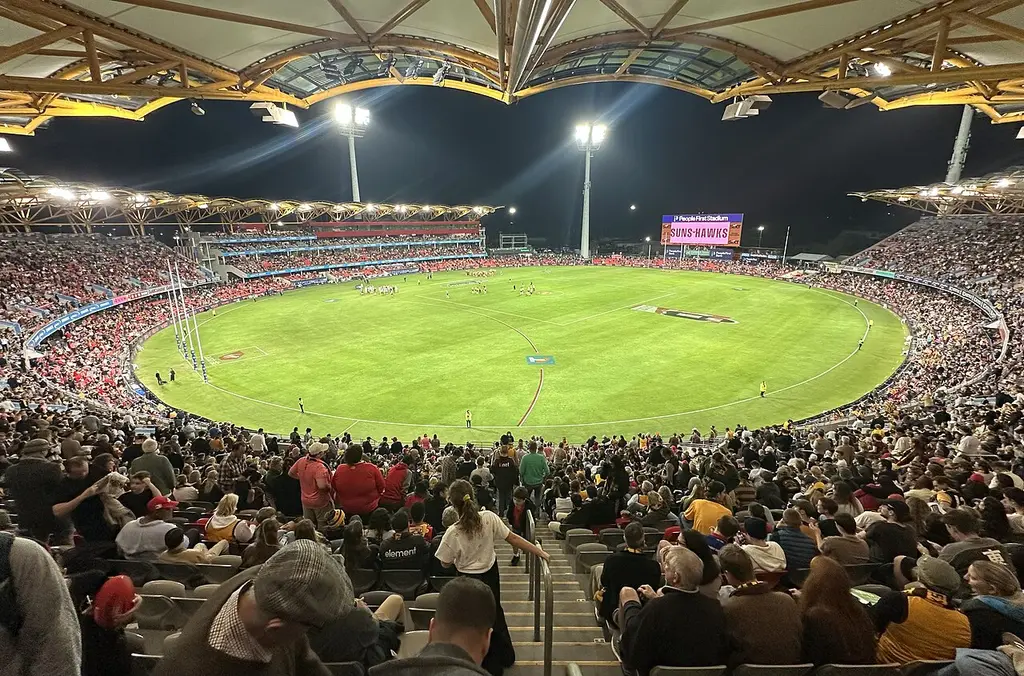
The league declared a $67.9m profit in 2025. The money exists. What the AFL has to decide is whether the Territory is worth it.
$116m a year in economic output, $53m in gross regional product, 165 direct jobs and 180 indirect ones. And on community football, La Trobe University put the social return at $4.40 for every dollar spent, in a Territory where physical inactivity costs the economy $93.6m a year and people leaving costs it $217.8m.
PwC costed what the Territory's problems are worth solving. These are the annual gains from shifting each one by 1%, 5% and 10%.
| What it costs the Territory today | +1% | +5% | +10% |
|---|---|---|---|
Tourism Tourism is worth $831.9m a year to the Territory economy AFL draws visitors and puts the Territory on national television eleven weekends a year. | $8.39m | $41.95m | $83.91m |
Food and hospitality Food and beverage services are worth $457.2m a year Game days fill bars, restaurants and hotels, and sustain the jobs that go with them. | $4.57m | $22.86m | $45.72m |
Keeping people here People leaving the Territory costs the economy $217.8m a year Liveability is why people stay. A club is a reason to be a Territorian that shows up every weekend. | $2.17m | $10.89m | $21.78m |
Health Physical inactivity costs the Territory $93.6m a year More people playing means fewer people on the wrong side of the health budget. | $0.93m | $4.68m | $9.36m |
School attendance Early school leavers cost the Territory $15.3m a year Football is the strongest lever there is on attendance and retention in remote communities. | $0.15m | $0.76m | $1.5m |
Per year, in FY23 dollars. Source: Northern Territory AFL Club Licence Strategic Business Case, PwC for AFLNT, May 2024.
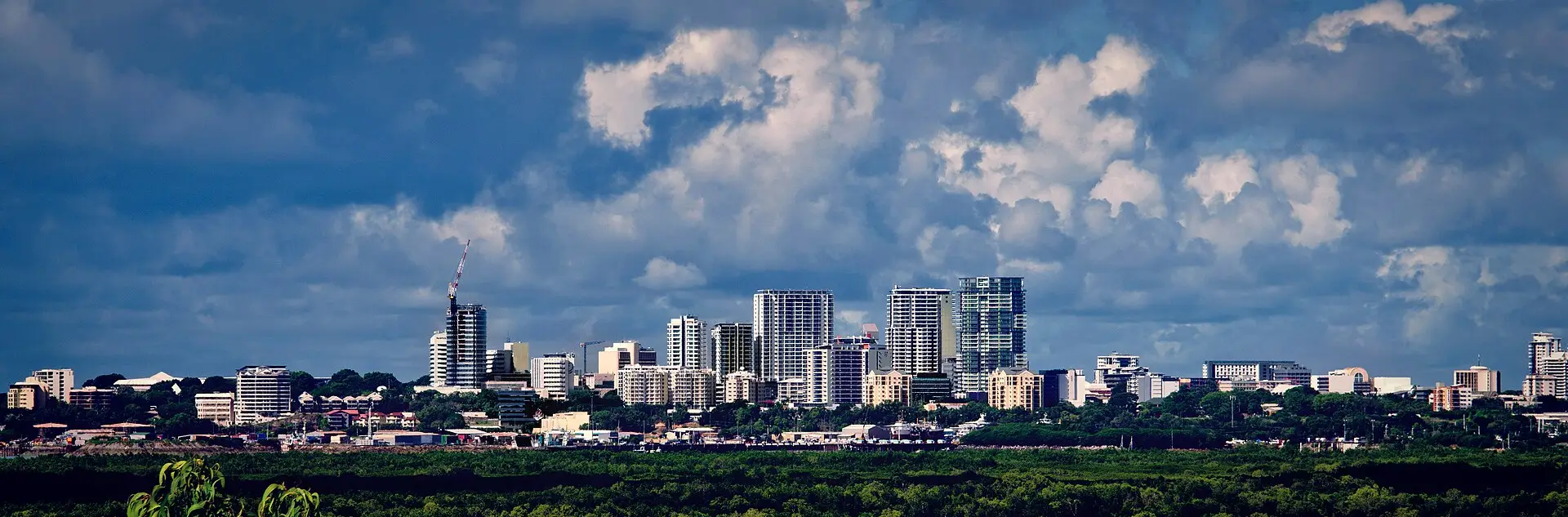
A stadium on Garramilla Boulevard, under ten minutes' walk from Cavenagh Street.
The Territory produces more elite footballers per head than anywhere else in Australia, and sends every one of them away.
Eleven home games a year, in the dry season, in a city built on visitors.
Darwin in July is Brisbane in March, when the AFL already plays there, with cooler nights and almost no rain.
Tasmania makes 19. The Territory makes 20. And the NRL is already playing at TIO Stadium.